


Featured|Update
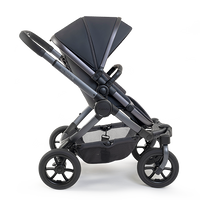
 Peach 8
The Next Generation of Peach - One Pushchair. Every Stage
 Core 2
From £699, our most premium single pushchair
 Outlet
Exceptional savings on iCandy favourites.
 Coffee Bean
Rich coffee-brown chassis paired with warm, textured fabrics for a refined, contemporary finish.
 Biscotti
Sophisticated nearly-nude with subtle, creamy elegant fabrics.
 Coco
Espresso-brown shimmering chassis with chic tawny fabrics.
 Pecan
Rich and and warm materials paired with a soft pecan-brown chassis.
 Peach 8 Car Seat Bundles
The ultimate travel solution, combining the luxury of Peach 8 with the safety, comfort and convenience of the Cocoon 360 car seat.
 Core 2 Car Seat Bundles
Experience signature iCandy quality and a complete travel solution with Core 2 and Cocoon 360 bundles.
 Pip Car Seat Bundles
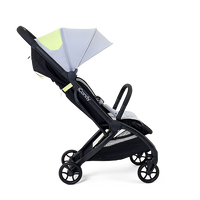
Pip car seat bundles pair our compact travel stroller with the Cocoon 360 car seat and base for seamless journeys from day one.
 Orange 4 Car Seat Bundles
Future-proof every journey with Orange 4 travel system bundles, designed to grow with your family from one child to two.
Peach 8 Bundles
Discover our Peach 8 bundles, combining award-winning luxury with everything you need for life with your little one.
Core 2 Bundles
Get everything you need from day one with Core 2 bundles, combining premium features, everyday practicality and exceptional value.
 Orange 4 Bundles
Designed to grow with your family, Orange 4 bundles provide everything you need from day one through to life with two children.
 Bags
Discover versatility and convenience with the iCandy Changing Bags.
 MiStand
Lightweight, stylish and practical, the iCandy MiStand is a versatile carrycot stand designed for seamless integration with iCandy pushchairs.
 Parasols
iCandy keeps your little one safe and comfortable in any weather.
 Footmuffs
Embrace cosy outings with iCandy.
 Converters
Effortlessly connect your iCandy pram with our reliable pram clamps and pram adaptors.
 Carrycots
 can play an essential part in the first months of a baby's life, and that’s why we’ve taken such care when designing our range here at iCandy.
 Car Seats
Shop the iCandy Cocoon car seat, i-Size compliant and suitable from birth to 15 months. Safe, stylish, with removable insert for growing infants.

Babies often fall asleep while you're out with the pushchair, but the safest setup depends on what they are sleeping in. For babies, a sleep surface should be clear, firm and completely flat rather than simply reclined. A carrycot that the manufacturer confirms is suitable for sleep can provide a practical flat space for naps on the go. Keep your baby on their back, make sure their face stays uncovered, prevent overheating and always follow the instructions for your exact pushchair, carrycot or seat unit.
Babies have a remarkable ability to fall asleep when you least expect them. The rhythm of a walk, fresh air and the gentle movement of the pushchair can quickly turn an everyday trip into nap time.
That does not mean every pushchair position is designed to be used as a baby sleep space. Understanding the difference between a carrycot, a completely flat position and a standard reclined seat can help you make more informed choices while you're out.
Whether you're choosing your first travel system or simply planning a longer day away from home, the aim is to make naps on the go comfortable while continuing to follow safer-sleep guidance.
Babies commonly fall asleep during pushchair journeys, but whether the setup is suitable for sleep depends on the product, the position and your baby's age.

Not necessarily. The phrase “lie-flat” is sometimes used broadly in pushchair descriptions, but for baby sleep there is an important distinction between a seat that reclines deeply and a surface that is entirely flat.
The Lullaby Trust advises against babies sleeping in seated or inclined positions because a baby's head can fall forwards, which may affect their airway.
For a baby who is going to sleep in a pram or pushchair, the sleep surface should be completely flat rather than simply tilted backwards. Always check the manufacturer's instructions for the exact product and configuration you are using.
As your child grows, multi-position recline remains useful for comfort and rest while awake, but that is separate from the safer-sleep guidance for younger babies.


Babies should be placed on their back for every sleep, day and night, unless you have been given different advice by a medical professional.
Do not add pillows, soft toys, sleep positioners, bulky bedding or other unnecessary items around your baby.
For baby sleep, the surface should not be sloped, tilted or propped. A deep recline is not automatically the same as a flat sleep surface.
Check that nothing can cover their mouth or nose and that their head and airway remain in a comfortable position.
Feel your baby's chest or the back of their neck. If they feel hot, sweaty or clammy, remove a layer and help them cool down.
A pushchair is an on-the-go environment. Check your baby regularly and do not leave them unattended in a pushchair seat while they sleep.
Babies can overheat in warm weather, and the enclosed sides of a carrycot or pushchair can retain more heat than an open cot.
Use the pushchair's own canopy for shade and open the manufacturer's ventilation panels where available. Dress your baby appropriately for the weather and check their temperature regularly.
Feel their chest or the back of their neck rather than judging their temperature from their hands or feet. Sweaty or clammy skin can indicate that they are too hot.
When you move indoors, follow the product guidance. For a carrycot used as a sleep space, this may include pulling the hood back and removing or opening the apron to improve airflow.

No. Avoid draping a blanket, muslin or other material over the pushchair to make it darker or provide shade.
Several current iCandy carrycots are suitable for permanent overnight sleeping as well as everyday naps, giving families a portable flat newborn sleep space when used according to the product instructions and safer-sleep guidance.
The Peach 8 carrycot is suitable from birth and for permanent overnight sleeping. Its redesigned structure also provides increased ventilation and can collapse for easier storage and travel.
Explore Peach 8Core 2's fleece-lined carrycot is suitable for permanent overnight sleeping and includes external ventilation panels for additional airflow.
Explore Core 2Orange 4's roomy fleece-lined carrycot is suitable from birth and for permanent overnight sleeping, while the wider pushchair system can adapt from single to double.
Explore Orange 4Babies often fall asleep during car journeys, and the car seat should continue to be used correctly while the vehicle is moving.
Once the journey has ended, however, a car seat should not become your baby's main sleep space. When practical, move your baby onto an appropriate firm, flat, clear sleep surface.
The same distinction is useful with travel systems. Attaching an infant car seat to the pushchair chassis can make short transitions convenient, but it does not turn the car seat into a replacement for a flat carrycot, cot or Moses basket.
If your baby is likely to nap while you're out, choose the manufacturer-approved configuration before leaving rather than relying on an unsuitable seat position later.
A familiar routine, timing or sleeping bag can provide consistency, but a baby's pushchair sleep space should remain clear of soft toys, pillows and loose comforters.
Use the canopy and ventilation built into the pushchair rather than covering it. Check your baby's temperature regularly.
If your baby is in a setup that is not approved as a sleep space, transfer them to their normal clear, firm and flat sleep space when practical. If they are in an overnight-sleep-approved carrycot, follow its specific instructions.
Naps do not always happen at home, and sometimes the motion of the pushchair is exactly what sends your little one to sleep.
Choose the right configuration, keep their sleep space clear and flat, watch their temperature and follow the instructions for your pushchair. That way, an unexpected nap can remain a calm part of the journey.


