


Expert advice|How to|Journey
 Peach 8
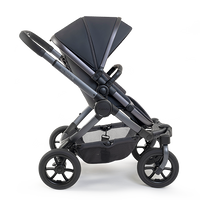
The definitive, luxury single to double stroller
 Core 2
From £699, our most premium single pushchair
 Outlet
Exceptional savings on iCandy favourites.
 Coffee Bean
Rich coffee-brown chassis paired with warm, textured fabrics for a refined, contemporary finish.
 Biscotti
Sophisticated nearly-nude with subtle, creamy elegant fabrics.
 Coco
Espresso-brown shimmering chassis with chic tawny fabrics.
 Pecan
Rich and and warm materials paired with a soft pecan-brown chassis.
 Peach 8 Car Seat Bundles
The ultimate travel solution, combining the luxury of Peach 8 with the safety, comfort and convenience of the Cocoon 360 car seat.
 Core 2 Car Seat Bundles
Experience signature iCandy quality and a complete travel solution with Core 2 and Cocoon 360 bundles.
 Pip Car Seat Bundles
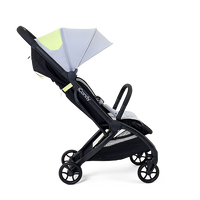
Pip car seat bundles pair our compact travel stroller with the Cocoon 360 car seat and base for seamless journeys from day one.
 Orange 4 Car Seat Bundles
Future-proof every journey with Orange 4 travel system bundles, designed to grow with your family from one child to two.
Peach 8 Bundles
Discover our Peach 8 bundles, combining award-winning luxury with everything you need for life with your little one.
Core 2 Bundles
Get everything you need from day one with Core 2 bundles, combining premium features, everyday practicality and exceptional value.
 Orange 4 Bundles
Designed to grow with your family, Orange 4 bundles provide everything you need from day one through to life with two children.
 Bags
Discover versatility and convenience with the iCandy Changing Bags.
 MiStand
Lightweight, stylish and practical, the iCandy MiStand is a versatile carrycot stand designed for seamless integration with iCandy pushchairs.
 Parasols
iCandy keeps your little one safe and comfortable in any weather.
 Bunting Bags & Footmuffs
Embrace cosy outings with iCandy.
 Converters
Effortlessly connect your iCandy pram with our reliable pram clamps and pram adaptors.
 Bassinets
 can play an essential part in the first months of a baby's life, and that’s why we’ve taken such care when designing our range here at iCandy.
 Car Seats
Shop the iCandy Cocoon car seat, i-Size compliant and suitable from birth to 15 months. Safe, stylish, with removable insert for growing infants.

In colder weather, dress your baby in adjustable lightweight layers rather than relying on one very thick outfit. For newborns during the day, the NHS suggests one more layer than the adult caring for them as a useful starting point. Remove hats and extra outdoor clothing as soon as you move indoors or into a warm car, bus or train. For sleep, avoid over-wrapping: a baby's room should ideally be around 16–20°C, and you should regularly check their chest or the back of their neck to make sure they are not hot, sweaty or clammy.
When temperatures fall, it is natural to worry about whether your baby is warm enough, particularly during their first winter.
The challenge is that keeping a baby cosy is not simply about adding as many layers as possible. Babies can overheat too, and this is particularly important during sleep.
The most useful approach is to build warmth gradually, check your baby regularly and adapt their clothing when you move between cold outdoor conditions and warm indoor spaces.

Think in layers rather than one fixed winter outfit. This makes it much easier to respond when the weather changes or you move somewhere warmer.
The exact combination depends on the temperature, wind, rain, your baby's age and what insulation the pram or pushchair is already providing.
A vest or bodysuit with a sleepsuit or outfit creates a simple base that can then be adjusted according to the weather.
A cardigan, jacket or pramsuit may be useful in genuinely cold conditions. The NHS suggests newborns may need around one more layer than the adult caring for them during cold daytime weather.
A suitable winter hat, mittens, socks or booties may help outdoors, particularly for younger babies who are lying still rather than moving around.
A footmuff, carrycot apron or other insulation around your child also contributes warmth. Consider the complete setup rather than clothing alone.
Weather apps cannot tell you how your individual baby feels. Check their chest or the back of their neck once you have been outside for a while and adjust if necessary.
Yes. One of the easiest ways for a baby to become too warm in winter is to stay dressed for outdoor temperatures after moving somewhere heated.
NHS guidance recommends removing hats and extra clothing as soon as you go indoors, even if that means disturbing or waking your baby.
Heated vehicles can become warm quickly. Remove hats and unnecessary outer layers rather than leaving your baby bundled up for the whole journey.
Follow the instructions for your carrycot. Where advised by the manufacturer, lower the hood and remove or open the apron once indoors to increase airflow.
If your child is inside a footmuff, reducing their clothing or opening the footmuff indoors can help prevent unnecessary heat building up.
Cold weather outside does not mean your baby needs heavy bedding indoors. The recommended temperature for a baby's sleep space is around 16–20°C.
If you use sheets or blankets, choose lightweight options rather than thick, fleecy or padded bedding. A folded blanket counts as more than one layer because folding increases the insulation.
Use the feet-to-foot position, with your baby's feet towards the bottom of the cot, and tuck bedding securely no higher than their shoulders.
Choose a well-fitting sleep bag that is appropriate for your baby's weight and the room conditions, following its manufacturer's guidance.
If additional warmth is needed, The Lullaby Trust advises adding an appropriate layer of clothing or using a suitable higher-tog sleep bag rather than placing extra blankets over it.
Your baby's hands and feet are not a reliable indicator because they naturally tend to feel cooler than the rest of the body.
Yes, when the specific carrycot is suitable for sleep and used according to its instructions. Current iCandy carrycots are designed for permanent overnight sleeping, providing a flat newborn sleep space at home or away.
Your baby's clothing, carrycot fabrics, apron and any appropriate bedding all contribute to warmth. Check your baby rather than assuming more layers are always necessary.
Once indoors, remove your baby's hat and outdoor clothing and follow the carrycot instructions for the hood, apron and ventilation.
Do not add pillows, sleep positioners, thick padding, hot water bottles or other products simply to make the carrycot feel cosier.
The Peach 8 carrycot is suitable for permanent overnight sleeping and is offered in partnership with The Lullaby Trust.
Bulky winter coats and thick pramsuits can prevent a car-seat harness from fitting closely enough to your baby's body. In a collision, the outerwear can compress and leave unwanted space between your child and the harness.
Remove bulky outerwear before fastening your baby into the seat and fit the harness exactly as the car-seat manufacturer instructs. If additional warmth is needed once your baby is securely strapped in, use an appropriate lightweight layer over them without interfering with the harness or covering their face.
Clothing thickness and approved accessories can vary between car seats, so always follow the instructions supplied with your specific seat.
Purpose-designed accessories can help with colder, wetter outings, but they should still be considered part of your baby's overall layering rather than something added automatically.
For children using a compatible pushchair seat, a footmuff can add significant warmth. Take that insulation into account when choosing the clothing underneath.
Explore FootmuffsUse the raincover designed for your pushchair when conditions require it. Once indoors or when the rain stops, remove it as appropriate and follow the product instructions for ventilation.
Explore RaincoversCurrent iCandy carrycots provide a flat newborn environment suitable for permanent overnight sleeping when used in accordance with their instructions.
Explore CarrycotsNo. A baby who is unwell or feverish does not generally need to be wrapped in extra clothing simply because they feel unwell or because it is winter.
NHS guidance advises against covering a child with too many clothes or bedclothes when they have a high temperature. If you think your baby has a fever, use a digital thermometer and follow current NHS guidance on fever in babies and children .
Seek medical advice if you are worried about your baby or they are not behaving as they normally would.
The easiest way to keep your baby comfortable through colder weather is to use layers you can adjust, check them regularly and remember that the right setup outdoors may be too warm once you step inside.
For sleep, keep things simple: a clear, flat sleep space, appropriate lightweight clothing or bedding, a comfortable room temperature and no unnecessary sources of extra heat.


