



Featured|Tips and tricks
 Peach 8
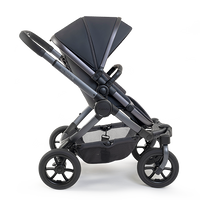
The Next Generation of Peach - One Pushchair. Every Stage
 Core 2
From £699, our most premium single pushchair
 Outlet
Exceptional savings on iCandy favourites.
 Coffee Bean
Rich coffee-brown chassis paired with warm, textured fabrics for a refined, contemporary finish.
 Biscotti
Sophisticated nearly-nude with subtle, creamy elegant fabrics.
 Coco
Espresso-brown shimmering chassis with chic tawny fabrics.
 Pecan
Rich and and warm materials paired with a soft pecan-brown chassis.
 Peach 8 Car Seat Bundles
The ultimate travel solution, combining the luxury of Peach 8 with the safety, comfort and convenience of the Cocoon 360 car seat.
 Core 2 Car Seat Bundles
Experience signature iCandy quality and a complete travel solution with Core 2 and Cocoon 360 bundles.
 Pip Car Seat Bundles
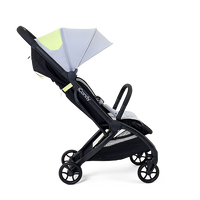
Pip car seat bundles pair our compact travel stroller with the Cocoon 360 car seat and base for seamless journeys from day one.
 Orange 4 Car Seat Bundles
Future-proof every journey with Orange 4 travel system bundles, designed to grow with your family from one child to two.
Peach 8 Bundles
Discover our Peach 8 bundles, combining award-winning luxury with everything you need for life with your little one.
Core 2 Bundles
Get everything you need from day one with Core 2 bundles, combining premium features, everyday practicality and exceptional value.
 Orange 4 Bundles
Designed to grow with your family, Orange 4 bundles provide everything you need from day one through to life with two children.
 Bags
Discover versatility and convenience with the iCandy Changing Bags.
 MiStand
Lightweight, stylish and practical, the iCandy MiStand is a versatile carrycot stand designed for seamless integration with iCandy pushchairs.
 Parasols
iCandy keeps your little one safe and comfortable in any weather.
 Footmuffs
Embrace cosy outings with iCandy.
 Converters
Effortlessly connect your iCandy pram with our reliable pram clamps and pram adaptors.
 Carrycots
 can play an essential part in the first months of a baby's life, and that’s why we’ve taken such care when designing our range here at iCandy.
 Car Seats
Shop the iCandy Cocoon car seat, i-Size compliant and suitable from birth to 15 months. Safe, stylish, with removable insert for growing infants.

A hospital bag should cover the essentials for labour, recovery, your newborn and your birth partner. For you, prioritise maternity notes, comfortable clothing, toiletries, maternity pads, underwear, bras, snacks, drinks, medication and a phone charger. For your baby, pack sleepsuits, vests, nappies, wipes or cotton wool, muslins, a blanket, a hat and the clothes they will wear home. It is sensible to have your bag ready around three weeks before your due date, or earlier if your maternity team advises you to.
As you reach the third trimester, packing your hospital bag is one of those jobs that can make the arrival of your baby suddenly feel very real.
The good news is that you do not need to pack for every possible scenario. The most useful hospital bag is one that covers the essentials and makes them easy to find when you need them.
To take away some of the second guessing, this complete hospital bag checklist brings together practical advice for you, your baby and your birth partner, alongside organisation tips from experienced NHS Midwifery Sister, author and mum Midwife Pip.

There is no specific type of hospital bag you need. A weekend bag, small suitcase, holdall or spacious changing bag can all work well.
Compartments can be particularly helpful because they let you separate toiletries, clothing, baby items and smaller essentials rather than searching through one large space during labour.
It can also be useful for your birth partner to bring a separate rucksack containing their own food, clothes, toiletries and charger. This keeps their things out of your main bag and gives you more space.
Whichever bag you choose, prioritise organisation over size. A smaller, well-organised bag is often more useful than one packed with things you are unlikely to use.
Explore iCandy Pram BagsThe NHS recommends having your hospital bag ready at least three weeks before your due date. Some maternity units advise being packed by around 35 weeks, so follow any specific guidance from your own midwife or hospital.
Think about three stages: labour itself, the first hours after birth and the journey home. These are the essentials most likely to earn their place in the bag.
A newborn does not need a huge wardrobe in hospital. A small number of simple layers, changing essentials and an appropriate outfit for going home will cover most stays.
If you are unsure which clothing size your baby will need, you may wish to take a small selection and label each size clearly. This makes it much easier for someone else to find the right outfit.
If you're travelling home by car, have your infant car seat ready in advance and practise fitting and using it according to the manufacturer's instructions before your due date.
Explore iCandy Car Seats
Your birth partner may be at the hospital for many hours, so packing their essentials separately means they can stay comfortable without using the space in your main hospital bag.
Most importantly, make sure they know where everything in your bag is packed.
During labour it may be your birth partner or midwife getting things from the bag rather than you, so organisation matters more than making the bag look perfectly packed.
If your birth partner helps pack, they'll already know what is in the bag and where to find it when you ask for something.
Group things such as nappies, your baby's first outfit, toiletries and post-birth clothing so they can be found immediately.
If you're packing newborn and 0–3 month clothes, label each set so nobody has to inspect clothing labels when you need an outfit.
Keep dirty clothes and used muslins separate from everything clean. When you get home, the whole bag can go straight to the laundry.
Your phone, maternity notes, everyday medicines and other things you still need before labour can sit on a short checklist beside the packed bag.
If you're planning to give birth at home, having a small hospital transfer bag ready can still be useful in case your maternity team recommends transferring to hospital before, during or after labour.
Keep it somewhere obvious alongside your maternity notes so it can be picked up quickly if plans change.

The goal of a hospital bag is not to prepare for every imaginable situation. It is to make labour, birth and those first hours with your baby a little easier.
Once the essentials are packed and your birth partner knows where everything lives, keep the bag somewhere accessible alongside your maternity notes and enjoy having one less job on the list.


